Cupping Massage Therapy in Moncton
Cupping therapy is used in massage therapy to help reduce muscle tension, improve circulation, and relieve tight or restricted areas in the body.
It is commonly used for the back, neck, shoulders, glutes, and other areas where muscles feel stiff, overworked, or difficult to release with regular massage techniques alone.
✔ Registered Massage Therapist in Moncton
✔ Direct billing available for many insurance plans
Online booking makes it easy to check current openings and find a time that works for your schedule.
Is Cupping Therapy Right For You?
Cupping therapy is often used when muscles feel tight, restricted, or difficult to release with regular massage alone.
- Tight back or shoulder muscles
- Muscle knots or trigger points
- Stiffness from sitting or posture
- Limited movement or flexibility
- Areas that feel stuck or restricted
- Ongoing muscle tightness from work, exercise, or stress
If these symptoms sound familiar, cupping therapy may help relieve tension and improve movement.
What Is Cupping Therapy?
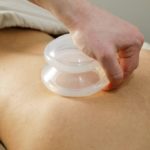
Cupping therapy uses suction to gently lift the skin and underlying tissue. This can help create space in tight or restricted areas and allow blood flow to increase.
Unlike traditional massage, which applies pressure downward into the tissues, cupping works by lifting the tissue. This can be helpful in areas that feel tight, stuck, or compressed.
Cups may be left in place or moved along the muscles depending on the treatment goals.
How I Use Silicone Cups During Treatment
I use silicone cups in a dynamic (moving) approach during treatment rather than leaving them in one place.
With this technique, the cups are gently moved along the muscles using lotion or oil. This allows me to target tight or restricted areas while keeping the pressure controlled and comfortable.
Dynamic cupping is especially useful for improving movement, reducing muscle tension, and helping areas that feel stiff or restricted.
The amount of suction and movement is adjusted based on the area being treated, the level of tightness, and your comfort during the session.
What Does Cupping Feel Like?
Most people describe cupping as a pulling, lifting, or stretching sensation on the skin. It is usually comfortable and often feels relieving, especially in tight areas.
The intensity can be adjusted during the treatment, so it does not need to feel too strong.
Common Areas Treated with Cupping
- Lower back
- Upper back and shoulders
- Neck
- Glutes
- Hamstrings
- Other tight muscle groups depending on your symptoms
It is especially helpful in areas where the muscles feel tight, restricted, or difficult to release.
What To Expect After Cupping Therapy
The results you see after cupping depend on the technique used during treatment.
With dynamic (moving) cupping, the cups are continuously moved along the muscles. This approach typically does not leave the circular marks commonly associated with cupping.
You may notice some temporary redness in the treated area, which usually fades within a few hours to a couple of days depending on how restricted the tissues were. The presence or color of the marks does not necessarily mean damage or injury.
With static cupping, where cups are left in one place, circular marks can appear. These marks are not bruises but a response from the tissues and increased blood flow. They may last several days to a few weeks depending on the individual.
During your treatment, the technique used is based on your comfort level, the area being treated, and the type of muscle tension present.
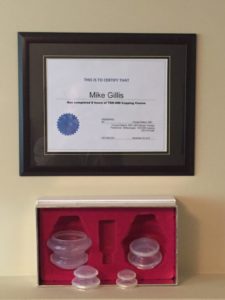
Cupping Training and Certification
If you are considering cupping therapy, it is normal to want to know that the therapist has training in the technique being used. Cupping is incorporated into treatment based on the area involved, the symptoms present, and your comfort during the session.
Same Week Appointments Often Available
Many clients are able to book appointments within the same week depending on availability.
Frequently Asked Questions
Is cupping safe?
Yes, cupping therapy is safe when performed by a Registered Massage Therapist. The technique, pressure, and approach are adjusted based on the area being treated and your comfort level.
Does cupping hurt?
Cupping typically does not feel painful. Most people describe it as a pulling or stretching sensation on the skin. With dynamic (moving) cupping, it often feels relieving, especially in tight areas.
How long do cupping marks last?
With dynamic cupping, marks are typically minimal or not present. You may notice some temporary redness that usually fades within a few hours to a couple of days.
With static cupping, where cups are left in one place, circular marks can appear and can last a few days up to a couple of weeks depending on the individual.
What is the difference between dynamic and static cupping?
Dynamic cupping involves moving the cups along the muscles to help reduce tension and improve movement. Static cupping involves leaving cups in one place for a short period.
Most treatments focus on dynamic cupping to reduce muscle tension while minimizing visible marking.
Can cupping help tight muscles?
Yes, cupping is often used to help reduce muscle tension, improve circulation, and restore movement in tight or restricted areas.
What areas can be treated with cupping?
Cupping is commonly used on the back, shoulders, neck, glutes, and hamstrings, as well as other areas depending on your symptoms.
Are silicone cups different from other cups?
Silicone cups allow for controlled pressure and are ideal for dynamic (moving) cupping techniques. This allows for more flexibility in treatment and improved comfort.
How do I know if cupping is right for me?
If you have tight muscles, stiffness, or areas that feel restricted or difficult to release, cupping therapy may be a helpful addition to your treatment.
Most treatments focus on dynamic cupping techniques to reduce tension while minimizing visible marking.
Book Your Cupping Therapy Session
If you are dealing with tight muscles or stiffness, cupping therapy may help relieve tension and improve mobility.